


Sustainability & efficiency
For us, sustainability does not mean doing without, but progress. Through efficient processes, resource-saving materials and innovative technologies, we design solutions that combine environmental awareness and cost-effectiveness.
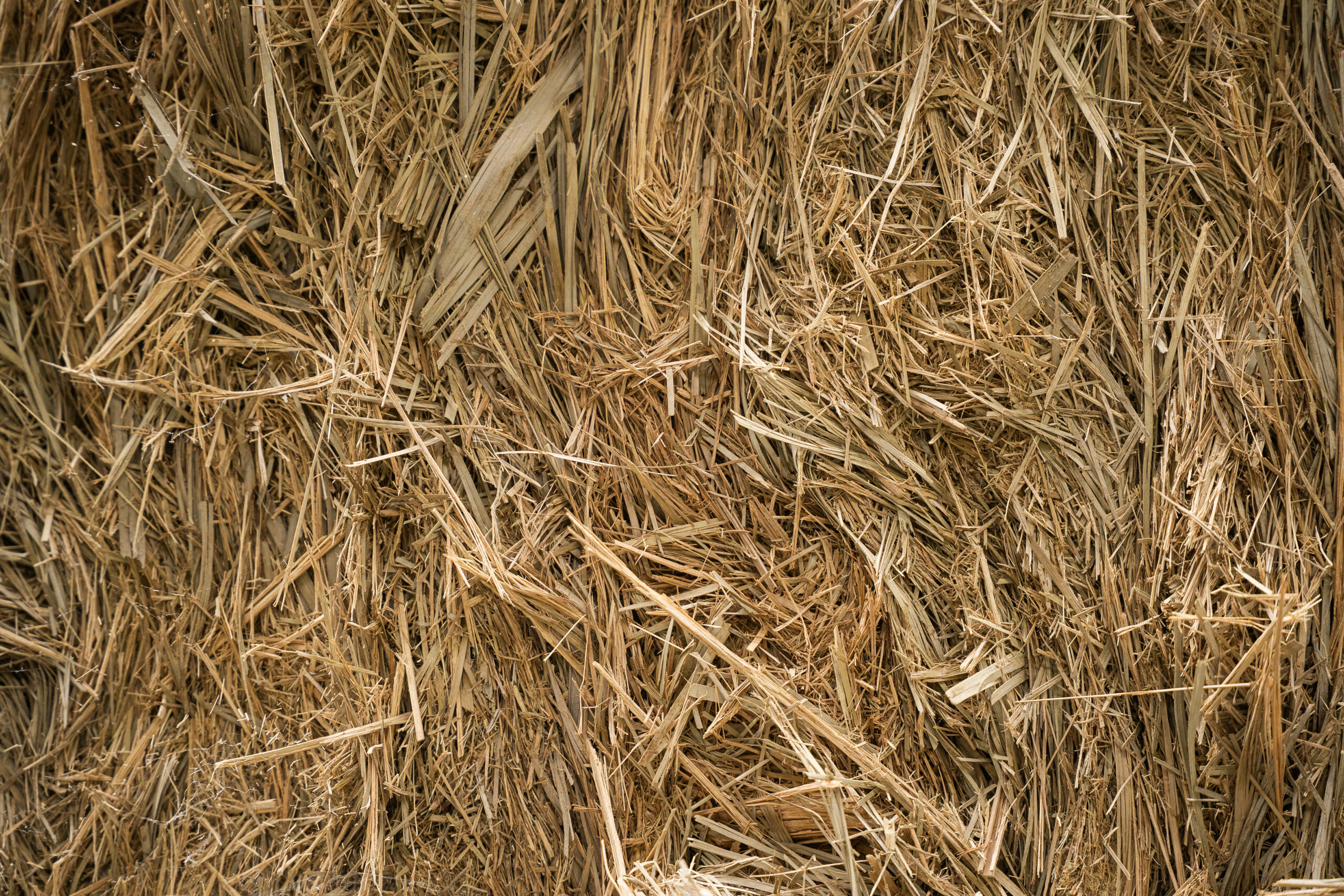
Turning waste into raw material
Palm trees are cultivated industrially around the equator. This produces waste that is difficult to compost and often ends up in landfill sites. New, sustainable added value can be created from these unused residues.
Why our resource is convincing

Sustainable
available
The basic resource is available in large quantities around the equator – naturally renewable, stable and permanently usable.

Regional
Added value
Local production creates new jobs, short distances and a strong regional economy.

Independent and cost-effective
Lower transport costs, no customs duties and stable prices – independence from global timber and raw materials markets creates planning security.
The 3 L in Palllm: 3 types of palms
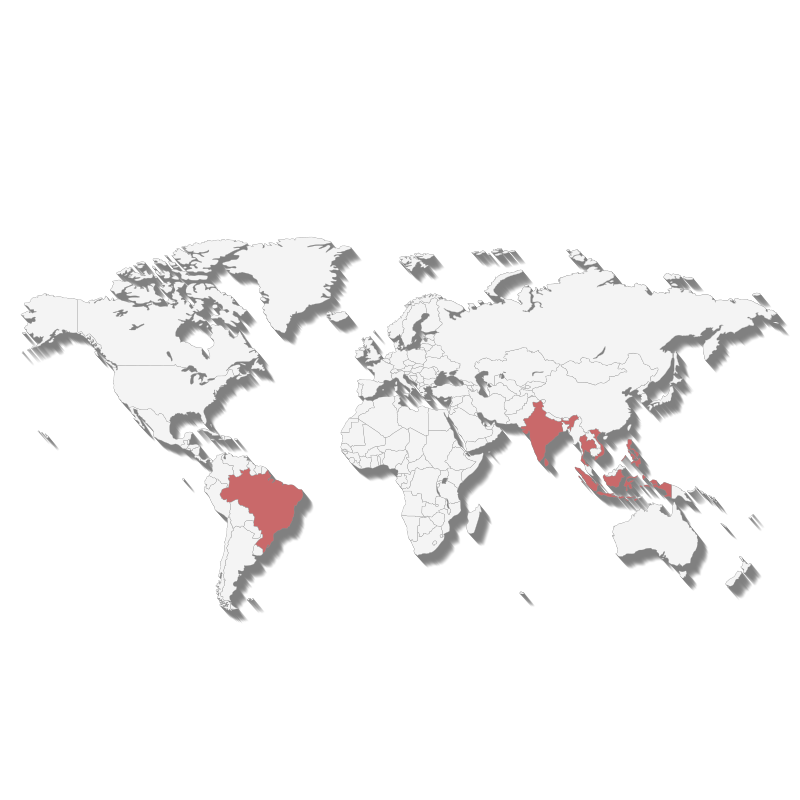
Coconut palm
Countries: Indonesia, Philippines, India (these 3 make up approx. 70-75%), Brazil, Sri Lanka, Vietnam, Thailand
Area under cultivation: > 11 million hectares
Annual production: 60-65 million tonnes of raw coconuts
Yield: 5.8 tonnes / ha
Use: coconut milk, coconut water, fruit pulp, coconut fat
Application for leftovers: mats, ropes, brushes, insulating material, fuel, wickerwork
Estimated number of palm trees: > 1 billion
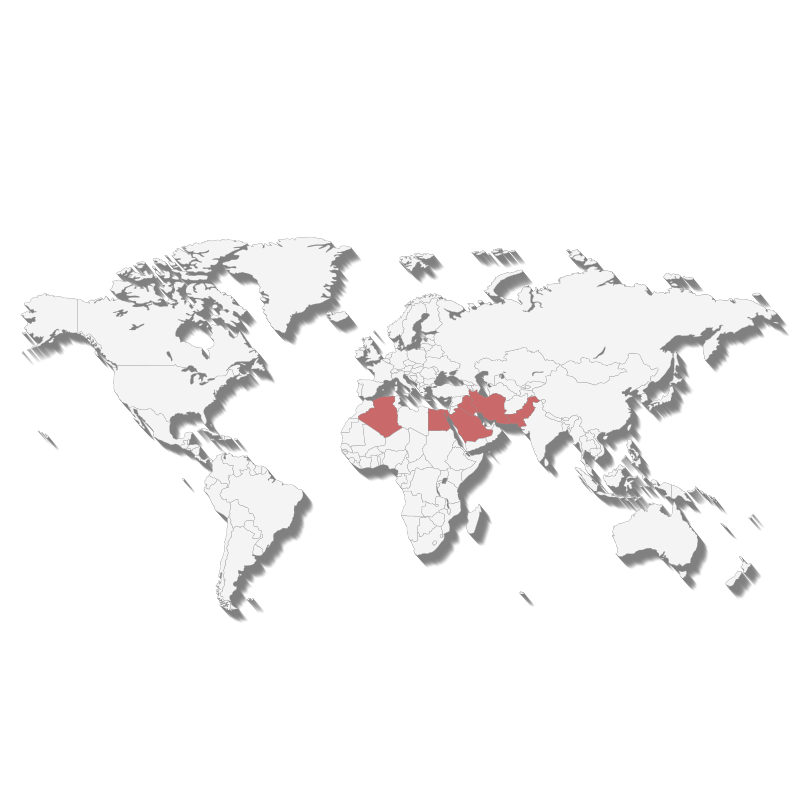
Date palm
Countries: Egypt, Saudi Arabia, Algeria, Iran, Pakistan, Iraq
Area under cultivation: approx. 1.1 million hectares
Annual production: approx. 9.7 million tonnes
Yield: 6 tonnes / ha
Use: Dates as food, date syrup, date paste
Application for leftovers: Fuel (biomass)
Estimated number of palm trees: 100 million
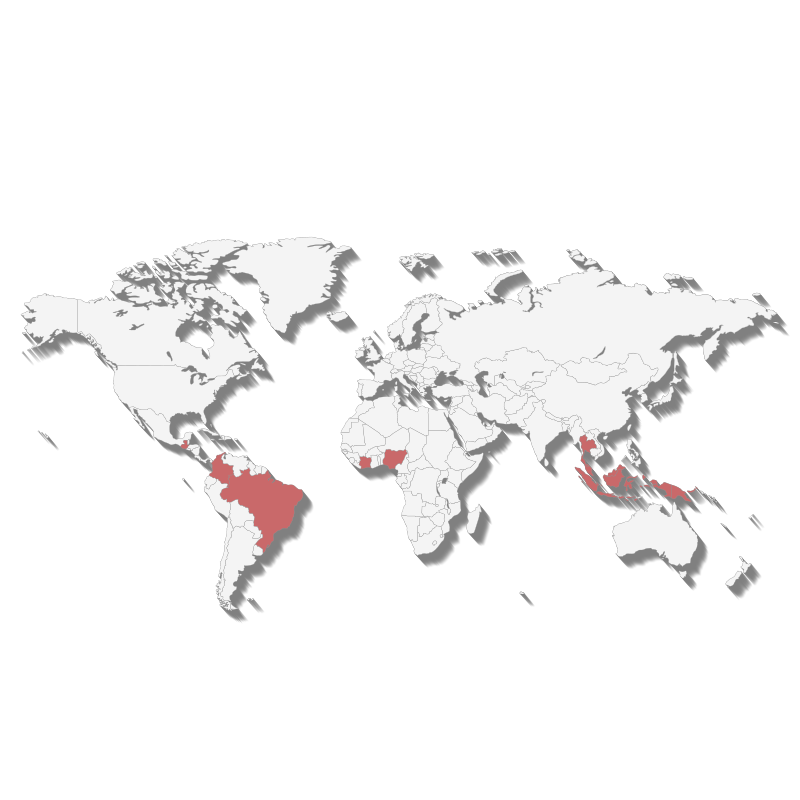
Oil palm
Countries: Indonesia, Malaysia, Thailand, Colombia, Nigeria, Guatemala, Papua New Guinea, Brazil, Cote d’Iviore
Cultivated area: 20 million hectares
Annual production: Palm oil: 77.3 million tonnes
Yield: approx. 17-18 tonnes per hectare
Use: palm oil for food, cosmetics, animal feed, biodiesel
Application for residues: biomass, fuels
Estimated number of palm trees: 2 billion

Alternative resources
In addition to palm trees, other fast-growing plant fibres can also be used. Our technology enables the processing of grasses such as miscanthus and has already been successfully utilised in production. Through existing partnerships – for example in the field of hemp – and individual research projects, we develop new material solutions together with our customers on request.